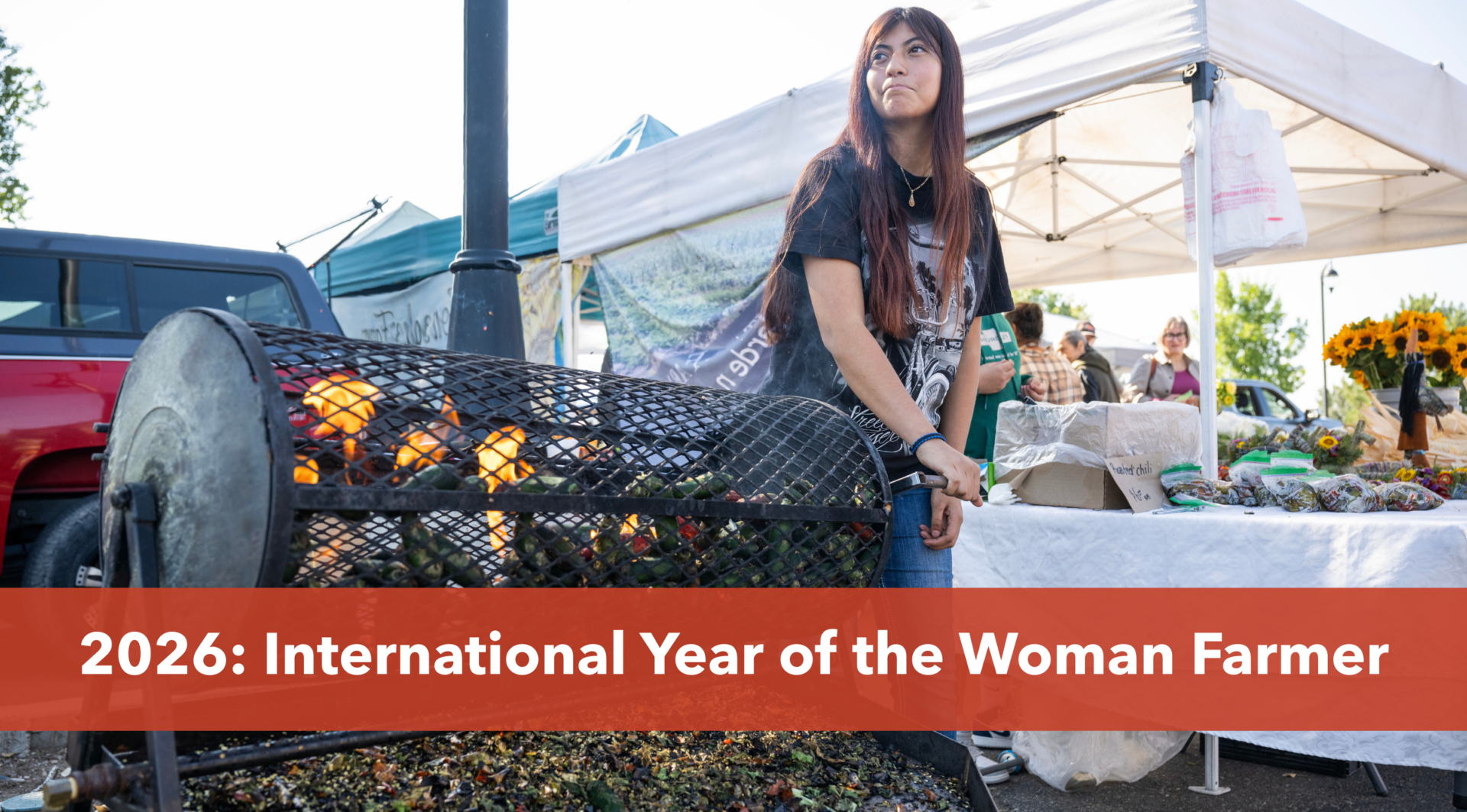
 This March, Women’s History Month, we’re joining in celebrating 2026 as the International Year of the Woman Farmer, declared by the United Nations General Assembly. The state of New Mexico has also joined in the celebration with an official proclamation from Governor Michelle Lujan Grisham.
Female farmers make up roughly half of the world’s food producers, according to the United States Department of Agriculture (USDA). The USDA’s most recent Ag Census took place in 2022:
‘In 2022, the United States had 1.2 million female producers, accounting for 36% of the country’s 3.4 million producers. Female producers were slightly younger, more likely to be a beginning farmer, and more likely to live on the farm they operate than male producers. More than half of all farms (58%) had a female producer. Farms with one or more female producers accounted for 41% of U.S. agriculture sales and 46% of U.S. farmland.’
[Source]
In New Mexico, the 2022 Ag Census showed that around 15,000 farmers are female, about 41% of the farming community. Like the rest of the United States, female farmers are often younger and make up more of the beginning farmer population, which is a positive for the general demographic of farmers across the country, the majority of whom are close to retirement.
Uplifting the work of women farmers benefits the communities they serve. In New Mexico, 84% of farms are also family-owned, meaning many women farmers are also raising families. While declarations and proclamations are great ways to put eyes on this important work, there is still much to be done to support female farmers.
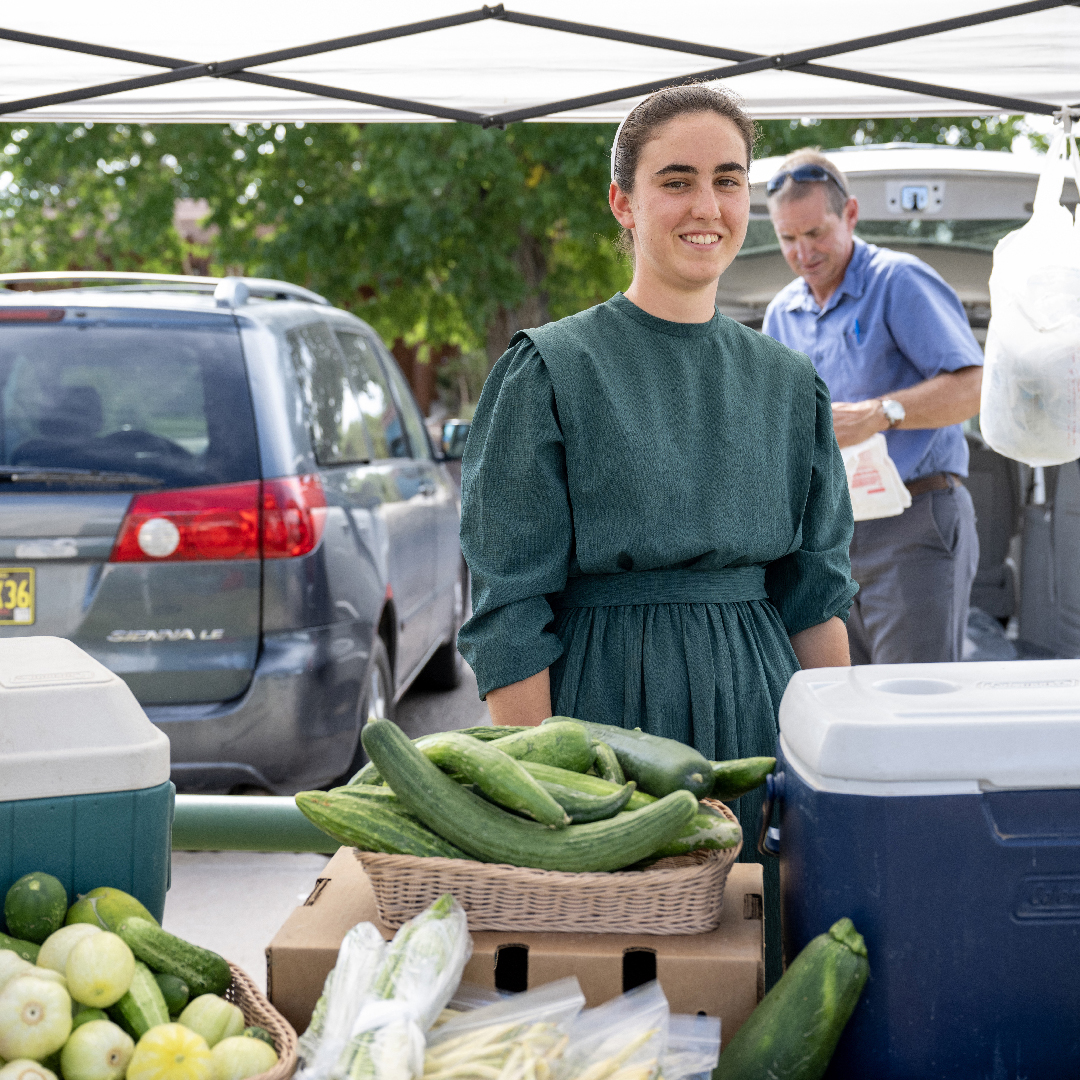
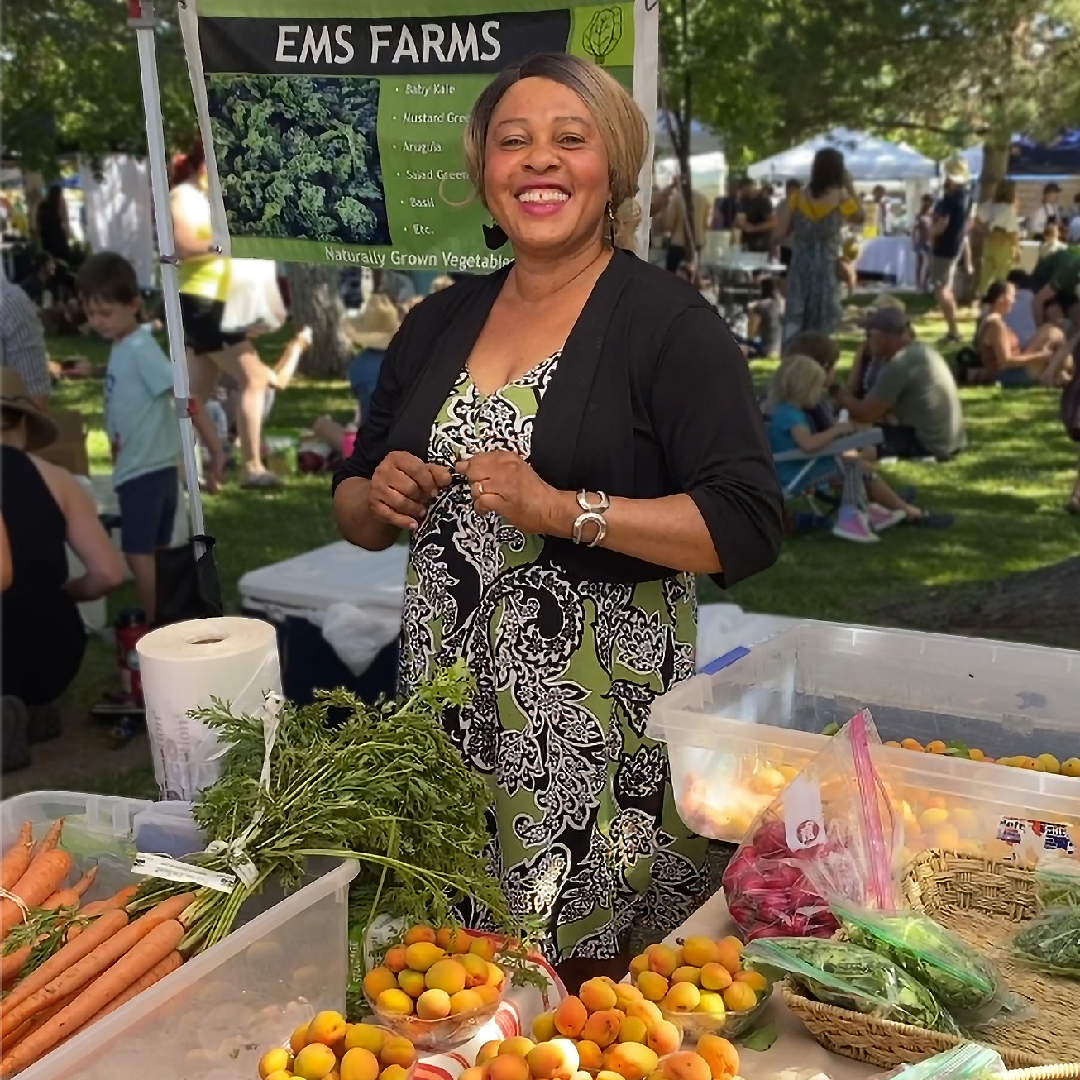
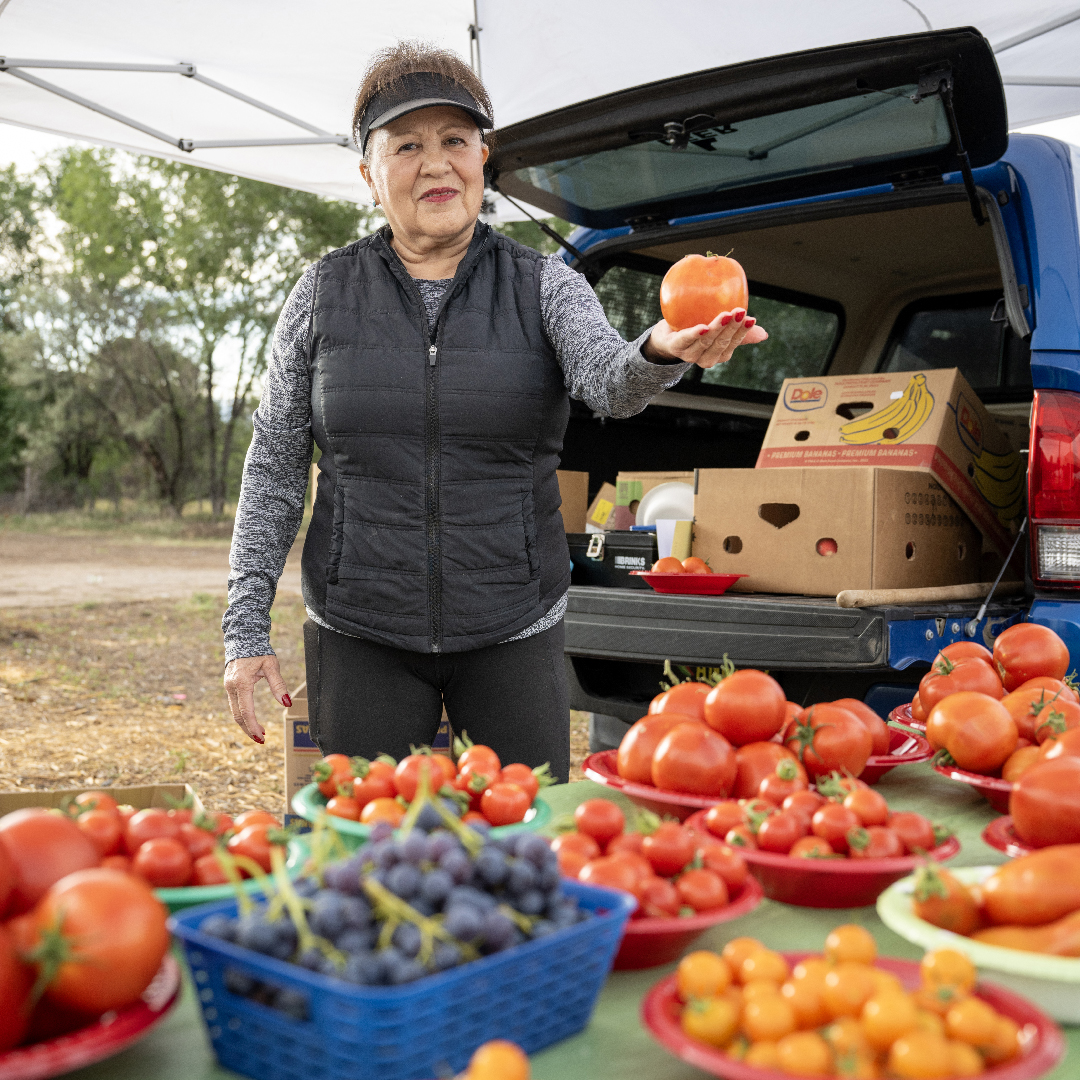
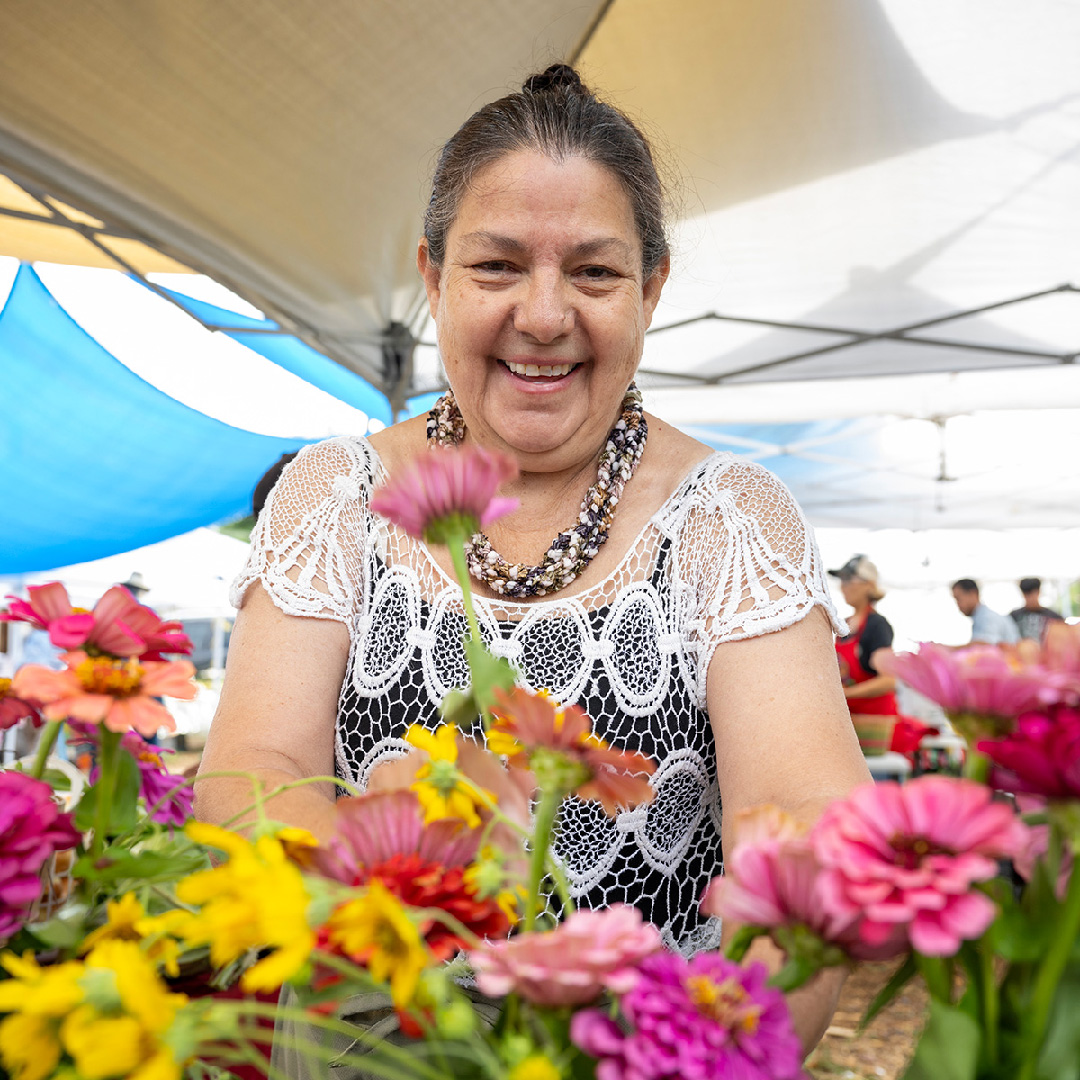
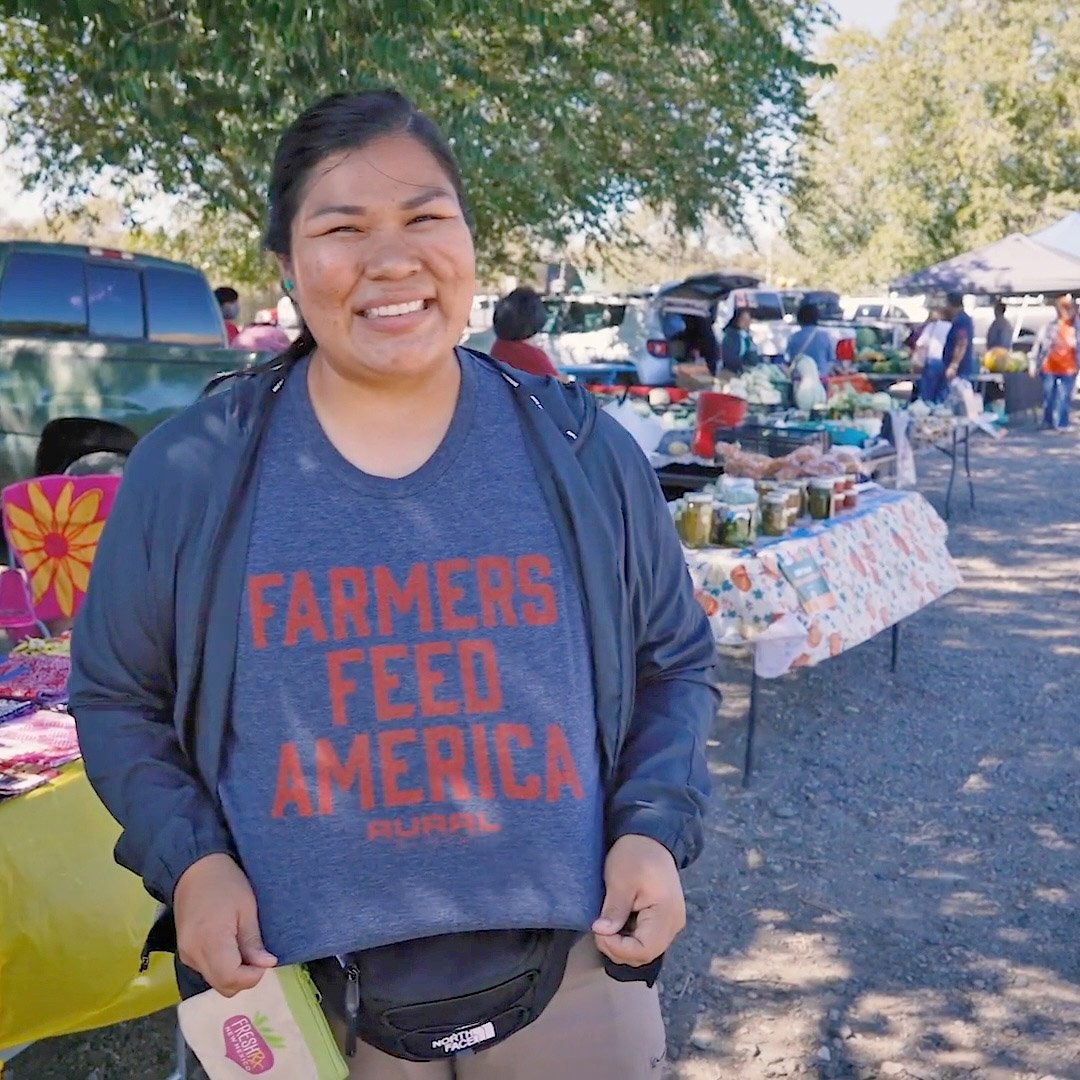
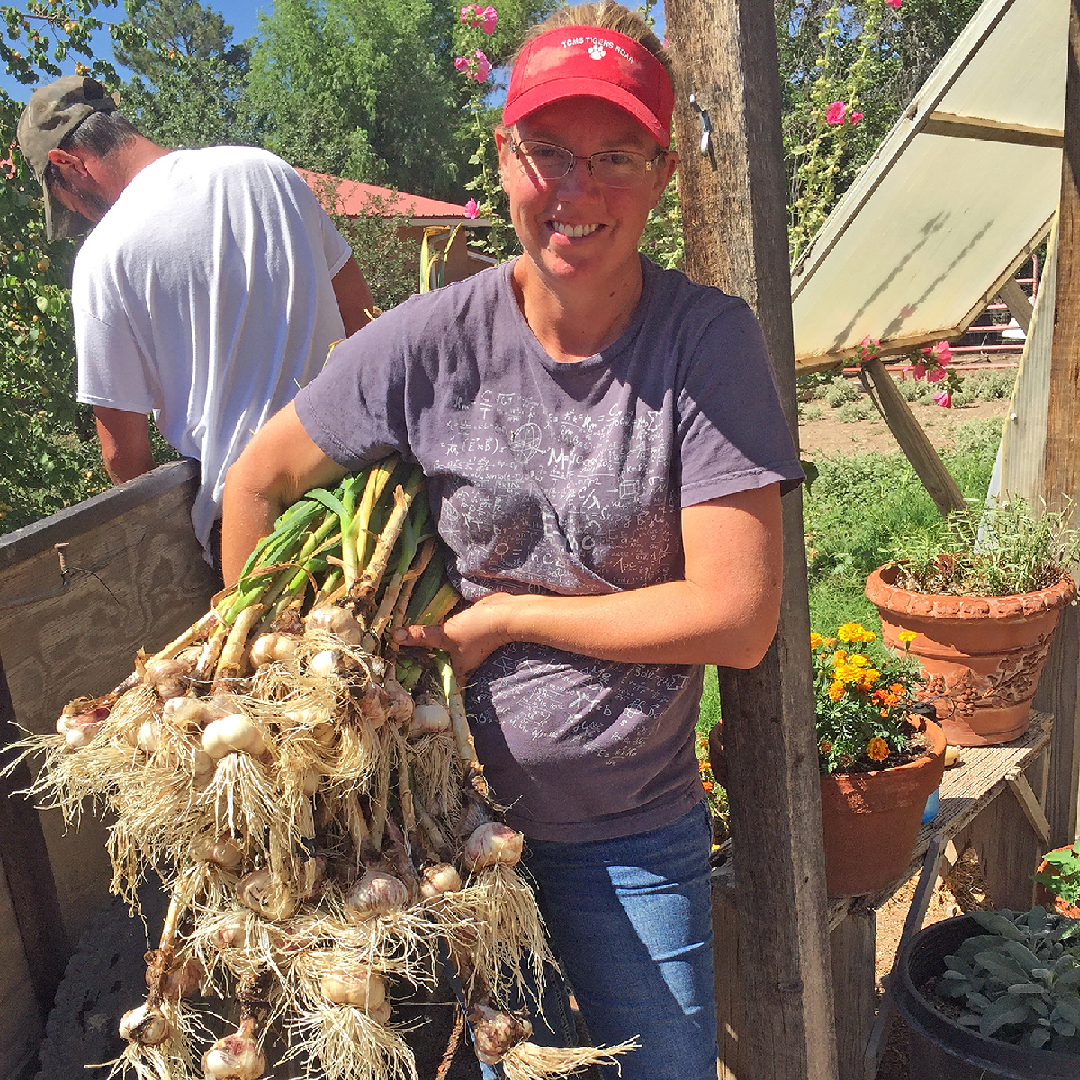
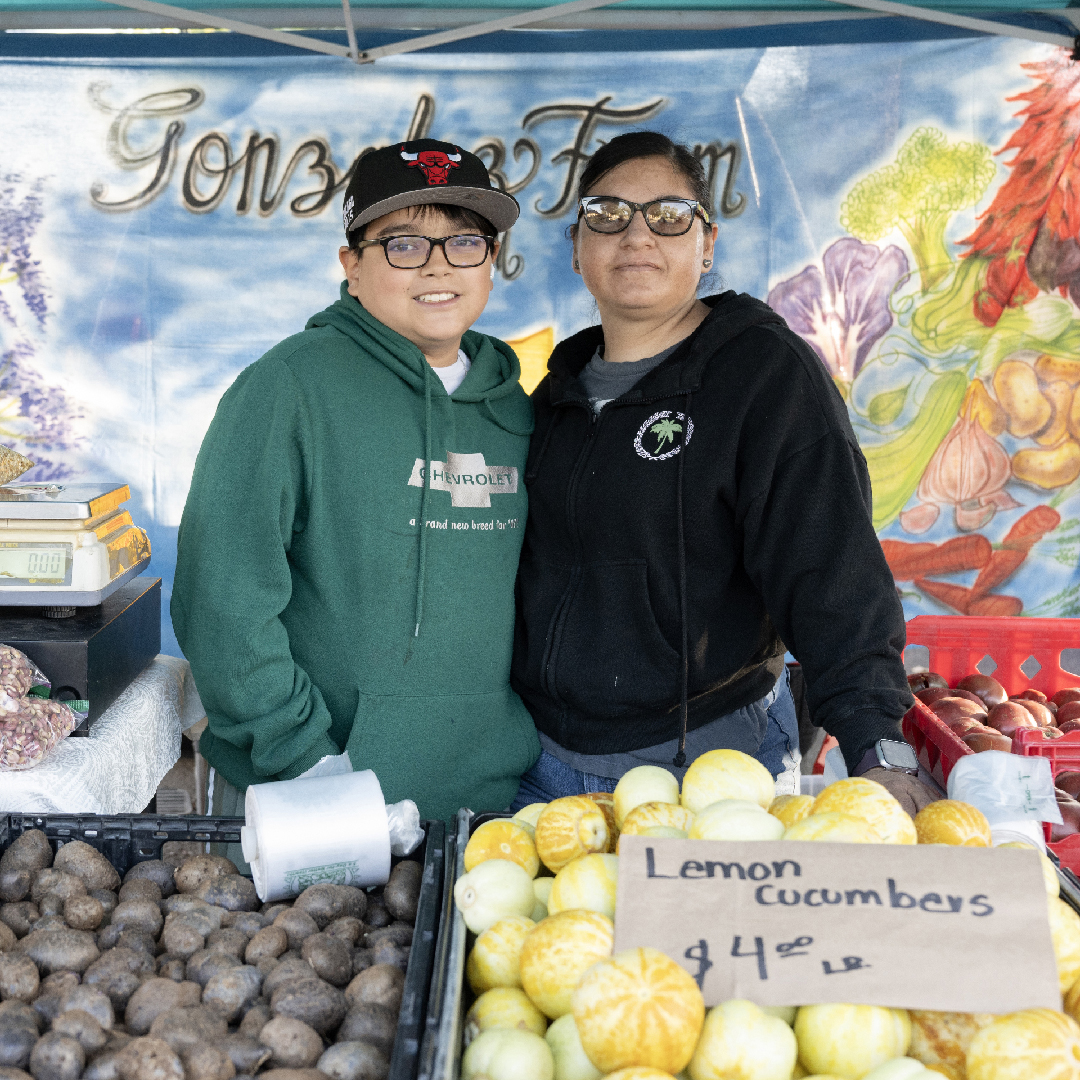
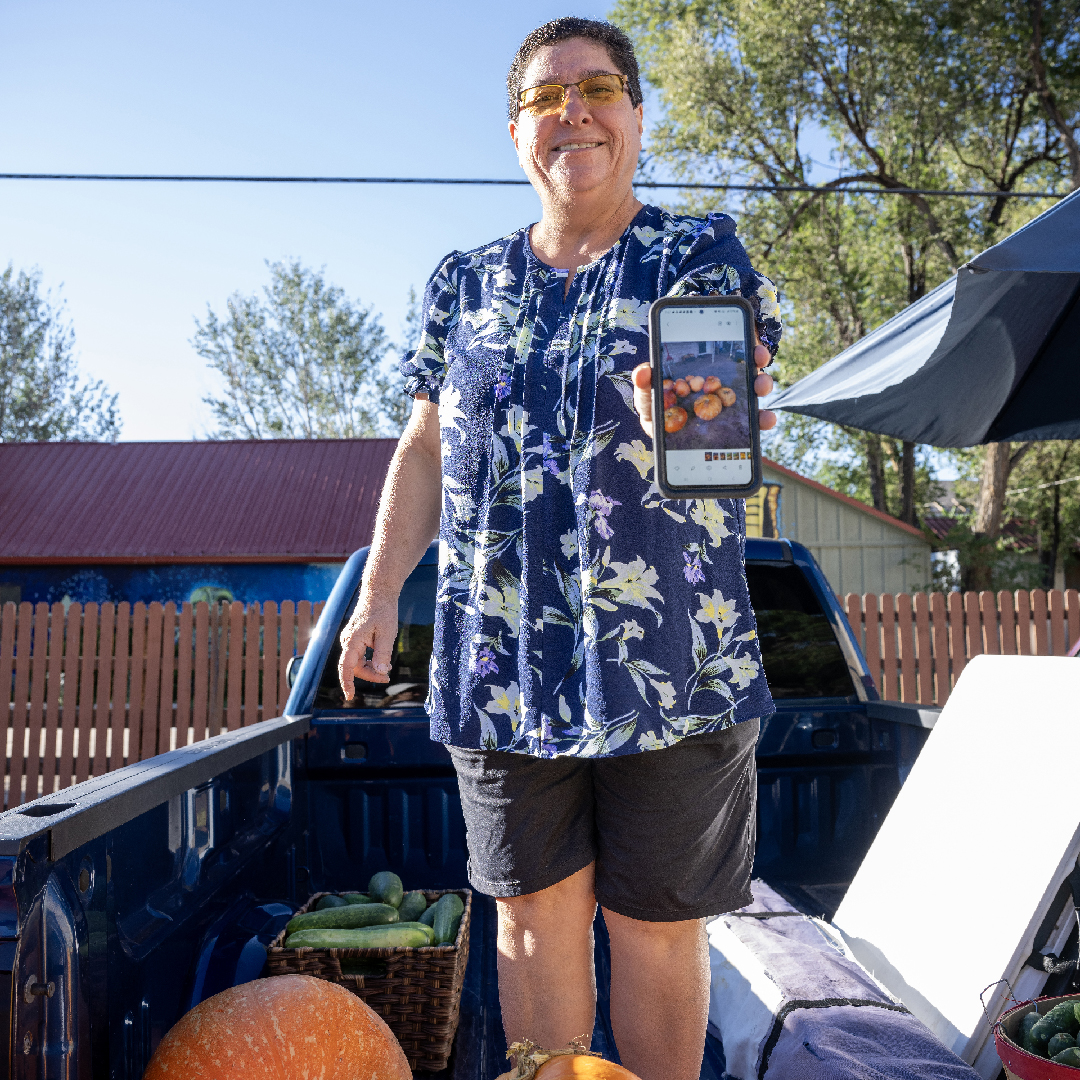
Women farmers consistently make up about half of the agricultural workforce in the United States and New Mexico. However, as in just about every industry, they are still paid less, given less opportunity–especially land, tech, and financial access–and carry heavier burdens of household responsibilities than men. This is especially true among Black, Indigenous, Latina, Asian, and Queer women in farming.
Even in the most recent Ag census (2022), women farmers were misrepresented. Indigenous tribes were being counted as one farm, when multiple farms exist within one tribe. However, advocates have been successful in shifting that, which added to the number of women farmers in New Mexico and the U.S. Farming is not an easy role, with shifting environmental challenges and crop unpredictability, and increasingly limited water and land access. When barriers such as childcare, institutionalized sexism, and a higher likelihood of workplace violence and discrimination are added, there is still much to be done to support women and women-identifying farmers. [Source] [Source] [Source]
This month, we’re sharing the faces of women farmers and a few of the NMFMA’s members across the state. Thank you all for the work you do. New Mexico is stronger and healthier because of the contributions women bring to agriculture, and the NMFMA will continue to support, advocate for, and uplift this work.